Introduction
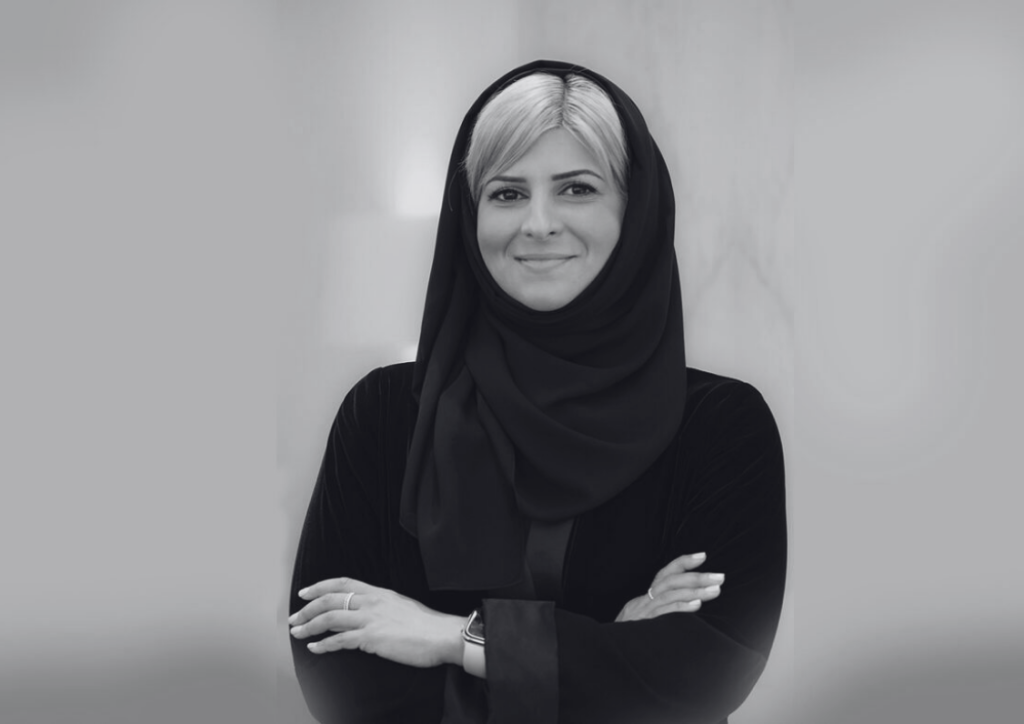
In a region long associated with oil wealth, real estate giants, and family conglomerates, a new generation of Emirati entrepreneurs and investors is redefining what influence looks like in the modern Middle East. Among these emerging figures, Shamsa Al Falasi stands out as a symbol of the UAE’s evolving economic identity.
As a venture investor, entrepreneur, and advocate for innovation, Shamsa Al Falasi represents a shift in how capital, technology, and leadership are converging in the Gulf. She is part of a cohort of Emirati leaders who are not only inheriting wealth but actively shaping the future of startups, technology, and global investment flows.
Her work bridges traditional Emirati business structures with the fast-moving world of venture capital, fintech, and digital entrepreneurship. In doing so, she reflects the UAE’s broader ambition to transform from a resource-based economy into a knowledge-driven global hub.
This is the story of Shamsa Al Falasi, her journey into venture capital, her role in the UAE’s startup ecosystem, and what her rise says about the future of business in the region.
Early Life and the Rise of a New Emirati Generation
Shamsa Al Falasi belongs to a generation of Emiratis that grew up during a period of unprecedented transformation. Unlike earlier generations who witnessed the discovery of oil and the birth of the modern UAE, her generation grew up in a fully globalized, digitally connected economy.
The UAE’s leadership invested heavily in education, global exposure, and entrepreneurship programs. Young Emiratis were encouraged to think beyond traditional industries and engage with technology, finance, and global markets.
Shamsa Al Falasi emerged from this environment with a strong interest in business, investment, and innovation. Her worldview was shaped not just by local business traditions but also by global venture capital models and startup ecosystems in Silicon Valley, Europe, and Asia.
This global perspective would later become central to her investment philosophy.
Entry into Venture Capital and Investing
Shamsa Al Falasi is known for her involvement in venture capital and angel investing, focusing on technology-driven startups and innovative business models. Rather than focusing solely on legacy industries, she has been actively engaged in identifying early-stage companies with scalable global potential.
Her investment thesis aligns closely with the UAE’s national strategy. The country has prioritized sectors such as fintech, healthtech, e-commerce, logistics, artificial intelligence, and sustainability. Investors like Shamsa Al Falasi are instrumental in turning that vision into reality by allocating capital and mentorship to founders.
She has been associated with investment platforms and venture initiatives that support early-stage startups, helping founders navigate funding, market entry, and scaling challenges.
In a region where venture capital was historically limited, her presence signals the maturation of the UAE’s startup ecosystem.
Yas Investments and Entrepreneurial Ecosystem Involvement
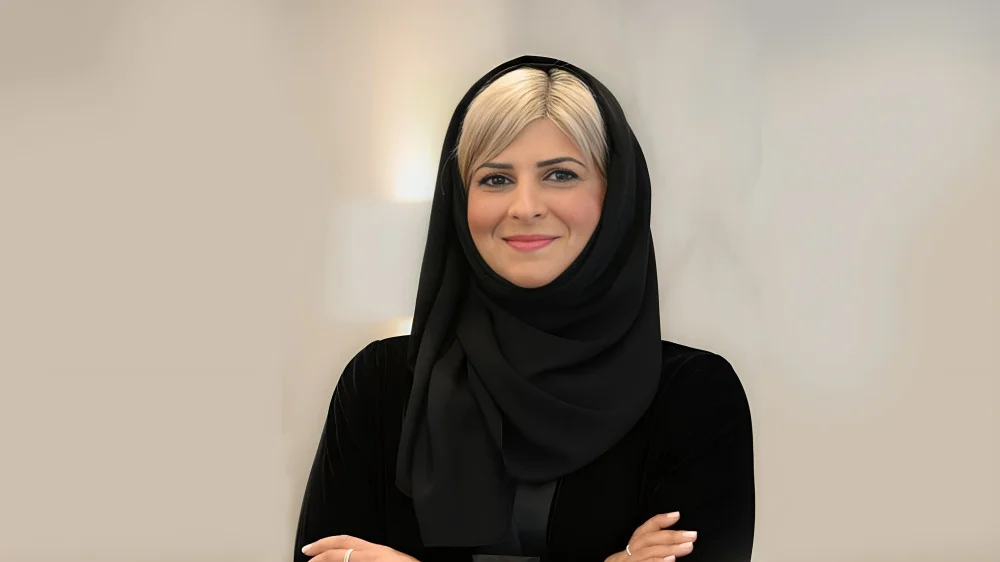
Shamsa Al Falasi is often linked with Yas Investments and other venture and innovation initiatives in the UAE. These platforms focus on supporting startups, early-stage founders, and innovative ventures across multiple sectors.
By participating in venture platforms, she plays a dual role:
- As a capital provider
- As a strategic advisor and ecosystem builder
This dual role is critical in emerging startup markets. Capital alone is not enough. Founders need guidance, networks, and institutional support. Emirati investors like Shamsa Al Falasi bring not just funding but access to government initiatives, corporate partnerships, and regional expansion opportunities.
Championing Female Entrepreneurship in the UAE
One of the most significant aspects of Shamsa Al Falasi’s public profile is her role as a female leader in finance and venture capital. While the UAE has made significant progress in gender inclusion, venture capital remains male dominated globally.
Her visibility in the investment space sends a powerful message. It signals that Emirati women are not only participating in business but shaping capital allocation and strategic decision making.
She has been involved in initiatives that promote female entrepreneurship, mentorship programs, and innovation communities. These efforts align with the UAE’s broader goal of increasing women’s participation in economic leadership roles.
The UAE’s Vision and the Role of Modern Investors
The UAE Vision 2031 and related national strategies emphasize diversification, innovation, and global competitiveness. Oil revenues are being redirected into sovereign wealth funds, venture capital, infrastructure, and technology.
Investors like Shamsa Al Falasi represent the micro level of this macro strategy. While sovereign funds deploy billions, individual Emirati investors and venture platforms drive grassroots innovation by supporting startups and early-stage ventures.
This layered approach is one of the reasons the UAE’s innovation ecosystem has accelerated so quickly compared to other regions.
Bridging Tradition and Innovation
One of the most fascinating aspects of Shamsa Al Falasi’s profile is how she represents a bridge between traditional Emirati business culture and modern global venture capital.
Traditional Emirati business is built on family enterprises, long-term relationships, and capital preservation. Venture capital, on the other hand, is built on risk taking, rapid scaling, and disruptive innovation.
By operating in both worlds, she symbolizes the UAE’s economic evolution. Capital is no longer just parked in real estate and commodities. It is actively deployed into software, platforms, and global startups.
This shift is crucial for the UAE’s long-term economic resilience.
Dubai and Abu Dhabi as Venture Capital Hubs
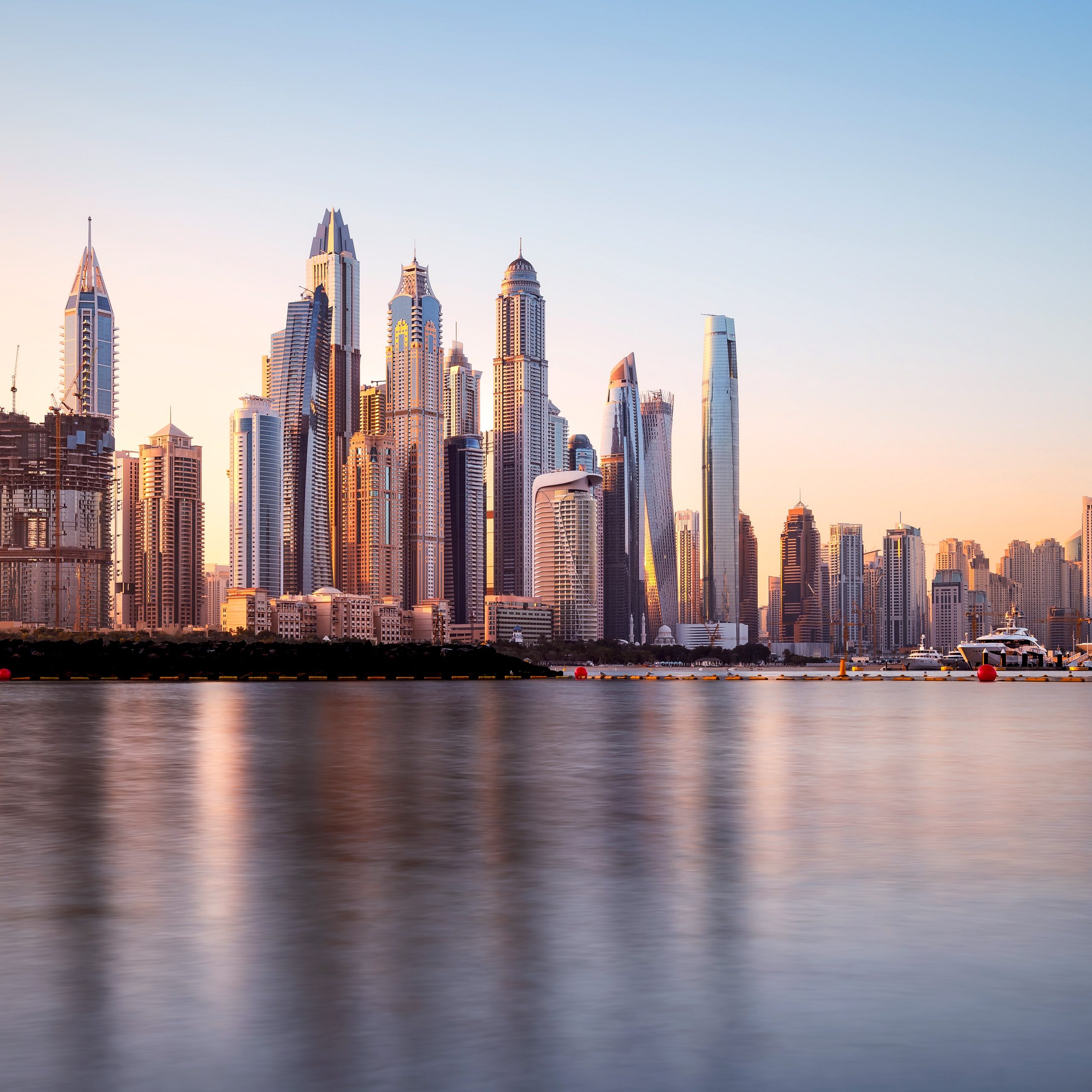
The UAE has been positioning itself as a global startup and venture capital hub. Abu Dhabi focuses on institutional capital through sovereign funds and large-scale venture platforms. Dubai focuses on startups, accelerators, founders, and global entrepreneurs.
Shamsa Al Falasi operates in this interconnected ecosystem. Her presence in venture initiatives reflects the UAE’s ambition to compete with global innovation hubs such as Silicon Valley, Singapore, and London.
The UAE’s regulatory environment, tax advantages, and infrastructure have attracted thousands of founders. Local investors like Shamsa Al Falasi play a critical role in anchoring this global influx of talent.
Investment Philosophy and Long-Term Vision
While detailed public records of her investment portfolio are limited, her public presence suggests a focus on:
- Early-stage technology startups
- Scalable digital business models
- Regional and global expansion potential
- Founders with strong execution capabilities
This aligns with global venture capital principles but with a regional strategic layer. The UAE is not just looking for financial returns. It is looking for strategic industries that contribute to economic diversification and knowledge transfer.
Investors in the region often balance financial performance with national strategic objectives.
The Role of Emirati Angel Investors
Angel investors are critical in early-stage ecosystems. They fund startups before institutional venture capital becomes available. They also provide mentorship and local market access.
Shamsa Al Falasi is part of a growing group of Emirati angel investors who are helping founders navigate the Middle East market. This includes regulatory frameworks, partnerships, government programs, and corporate collaborations.
Her involvement helps startups move faster in a region where relationships and local knowledge are key.
Public Influence and Thought Leadership
Beyond investing, Shamsa Al Falasi is also known for her engagement with the broader business community. She participates in panels, innovation discussions, and entrepreneurship forums.
Her public presence contributes to shaping narratives around innovation, female leadership, and the future of business in the UAE.
In a country where policy and private sector collaboration is close, thought leaders like her influence how innovation strategies are designed and implemented.
The Broader Shift in Gulf Capital Allocation
For decades, Gulf capital was primarily allocated to:
- Real estate
- Infrastructure
- Oil and gas
- Financial markets
Today, there is a visible shift toward:
- Venture capital
- Artificial intelligence
- Clean energy
- Biotechnology
- Digital platforms
Shamsa Al Falasi represents this shift at the individual investor level. Her focus on innovation mirrors the strategic reallocation of sovereign wealth funds and government-backed investment vehicles.
This alignment between state vision and private capital is one of the UAE’s unique advantages.
Global Positioning of Emirati Investors
Emirati investors are increasingly visible on the global stage. They participate in international venture funds, co-invest with global firms, and attract global startups to the UAE.
Investors like Shamsa Al Falasi help position the UAE not just as a capital exporter, but as a startup destination and innovation partner.
This repositioning is critical for the UAE’s post-oil economic strategy.
Challenges and Opportunities in the UAE Startup Ecosystem
Despite rapid progress, the UAE startup ecosystem faces challenges such as:
- Talent retention
- Market scale limitations
- Regulatory harmonization across GCC
- Global competition for founders
Investors like Shamsa Al Falasi are part of the solution. By funding startups, supporting founders, and advocating for innovation-friendly policies, they help the ecosystem mature.
The UAE’s ability to attract and retain global startups will depend heavily on such investor networks.
Cultural and Economic Impact
Beyond financial returns, Shamsa Al Falasi’s work has cultural significance. She represents:
- A new Emirati identity centered on innovation
- Female leadership in finance
- Global connectivity with local roots
- Youth-driven economic transformation
Her visibility challenges stereotypes about Gulf economies and demonstrates the UAE’s commitment to progressive economic participation.
Comparing Traditional Tycoons and New-Age Investors
The UAE has iconic business leaders such as Mohammed Alabbar, Hussain Sajwani, and Yusuff Ali. These leaders built empires in real estate, retail, and infrastructure.
Shamsa Al Falasi represents the next chapter. Instead of mega-projects and malls, her domain is startups, technology, and venture capital. Both generations are essential. One built the physical infrastructure. The other is building the digital and innovation infrastructure.
Together, they define the UAE’s multi-layered economic power.
Why Her Story Matters for Global Entrepreneurs
For global founders, Shamsa Al Falasi’s role highlights an important reality. The UAE is not just a tax-friendly location. It is building a serious venture ecosystem with local capital, local investors, and strategic vision.
Founders relocating to Dubai or Abu Dhabi are not operating in a vacuum. They are entering an ecosystem where local investors actively seek innovation and global collaboration.
This makes the UAE uniquely positioned among emerging startup hubs.
The Future of Emirati Venture Capital
The next decade will likely see an explosion of Emirati venture capital activity. As younger Emiratis enter finance and entrepreneurship, venture investing will become more institutionalized.
Shamsa Al Falasi is part of the early wave of this transformation. Her generation will shape how capital is deployed, which sectors are prioritized, and how the UAE competes globally in technology and innovation.
Conclusion
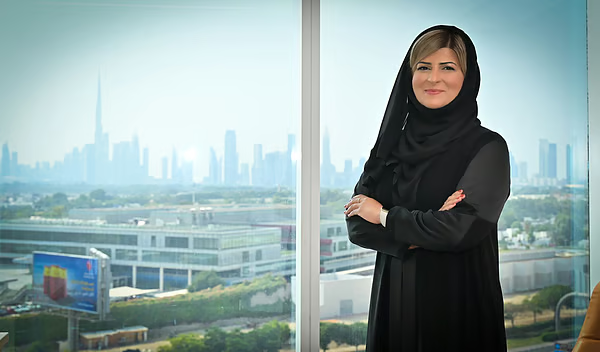
Shamsa Al Falasi represents the UAE’s transition from an oil-driven economy to an innovation-driven global hub. As a venture investor, entrepreneur, and ecosystem builder, she embodies the new face of Emirati business leadership.
Her work reflects a broader national strategy that prioritizes technology, entrepreneurship, and global integration. By investing in startups and supporting founders, she contributes to building the infrastructure of the future economy.
In a world where capital is increasingly mobile and innovation defines competitiveness, the UAE’s ability to nurture investors like Shamsa Al Falasi is a strategic advantage. She is not just funding startups. She is shaping the next chapter of the UAE’s economic story.
As Dubai and Abu Dhabi continue to position themselves as global innovation capitals, figures like Shamsa Al Falasi will play a defining role in determining how the region competes, collaborates, and leads on the global stage.