Introduction
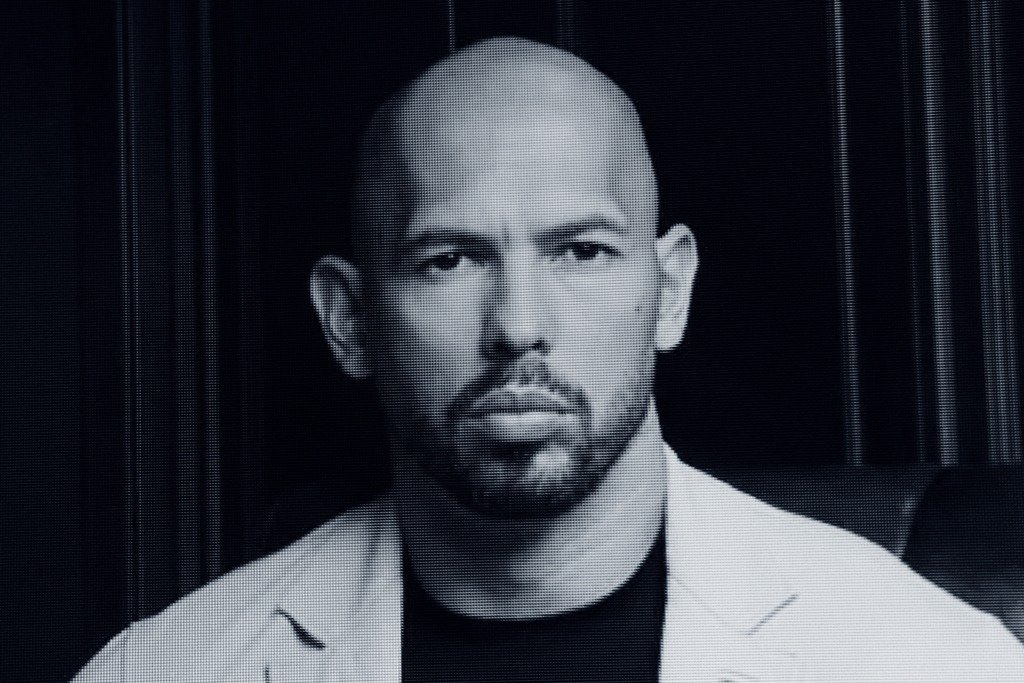
In the digital age, influence is no longer confined to billionaires, hedge fund managers, or traditional CEOs. Influence today is shaped by attention, algorithms, controversy, and communities that span continents. Few figures represent this new era of digital power more vividly than Andrew Tate.
A former kickboxing world champion turned internet personality and entrepreneur, Andrew Tate has become one of the most searched and discussed individuals on the internet. Loved by supporters, criticized by detractors, and debated by policymakers, Tate represents a new category of internet-driven influence that blurs the lines between entrepreneurship, media, ideology, and digital commerce.
His presence in Dubai and the UAE reflects more than lifestyle branding. It highlights the city’s role as a global base for digital entrepreneurs, influencers, and unconventional business models that operate beyond traditional corporate structures.
This is the story of Andrew Tate’s rise, his business ventures, his digital influence machine, and why Dubai became a strategic base in his global strategy.
Early Life and Competitive Foundations
Emory Andrew Tate III was born in Washington, D.C., and raised between the United States and the United Kingdom. His father, Emory Tate, was a highly respected chess grandmaster, known for his strategic brilliance and unconventional thinking. This intellectual environment influenced Andrew’s worldview from an early age.
Tate’s early career was not in business or media, but in combat sports. He became a professional kickboxer and won multiple world championships. Combat sports shaped his discipline, mental toughness, and public persona.
The competitive mindset developed in the ring would later become central to his approach to business, marketing, and personal branding.
Transition from Sports to Digital Entrepreneurship
After retiring from competitive kickboxing, Andrew Tate pivoted toward entrepreneurship. He explored multiple business models, including online businesses, consulting, and digital education platforms.
Unlike traditional entrepreneurs who build physical products or technology companies, Tate focused on information products, community platforms, and digital influence funnels. His ability to generate attention and convert it into monetizable communities became his core business model.
This transition marked his entry into the creator-driven digital economy.

The Rise of a Viral Internet Persona
Andrew Tate’s online presence exploded through short-form content on platforms like TikTok, YouTube, and Instagram. His controversial opinions, bold statements, and polarizing persona generated massive engagement.
Unlike traditional influencers who focus on lifestyle or entertainment, Tate positioned himself as:
- A masculinity and success commentator
- A wealth and entrepreneurship mentor
- A cultural provocateur challenging mainstream narratives
This positioning ensured constant virality. Algorithms reward engagement, and Tate’s content generated both support and criticism at unprecedented scale.
The Business Model Behind the Persona
While many viewed Andrew Tate as just an influencer, his digital presence was backed by a structured business ecosystem.
His ventures included:
- Online education platforms
- Subscription-based communities
- Affiliate marketing networks
- Coaching and mentorship programs
- Digital content monetization
His communities, such as Hustler’s University and later platforms, leveraged a powerful referral system where members promoted content and earned commissions. This created a decentralized marketing army that amplified his reach globally.
The model combined influencer marketing, affiliate sales, and community-driven growth into a scalable digital enterprise.
Attention as a Business Asset
Andrew Tate’s greatest asset is attention. In the digital economy, attention can be monetized through:
- Subscription fees
- Course sales
- Advertising and sponsorships
- Brand partnerships
- Personal brand licensing
By controlling his narrative and community, Tate built a direct-to-consumer business model without relying on traditional corporate structures.
This approach reflects a broader shift in entrepreneurship where personal brands become distribution channels and businesses are built on audience ownership.
Why Dubai Became a Strategic Base
Andrew Tate’s relocation to Dubai aligns with a broader migration of digital entrepreneurs to the UAE. Dubai offers:
- Zero personal income tax
- Business-friendly regulations
- Global banking and finance infrastructure
- High-end lifestyle and privacy
- Strategic geographic location between Europe and Asia
For a digital entrepreneur operating globally, Dubai provides a stable base with minimal regulatory friction.
Tate has often highlighted Dubai’s safety, infrastructure, and pro-business environment as reasons for his presence in the region.
Dubai and the Rise of Non-Traditional Entrepreneurs
Dubai has become a magnet for non-traditional entrepreneurs, including:
- Crypto founders
- Influencers and creators
- Online educators and coaches
- High-net-worth digital nomads
- Alternative finance entrepreneurs
Andrew Tate represents this new wave of entrepreneurs who operate primarily online but require a global base with strong financial and legal infrastructure.
Dubai’s willingness to attract unconventional entrepreneurs is part of its broader strategy to dominate the digital economy.
Controversy, Censorship, and Digital Power
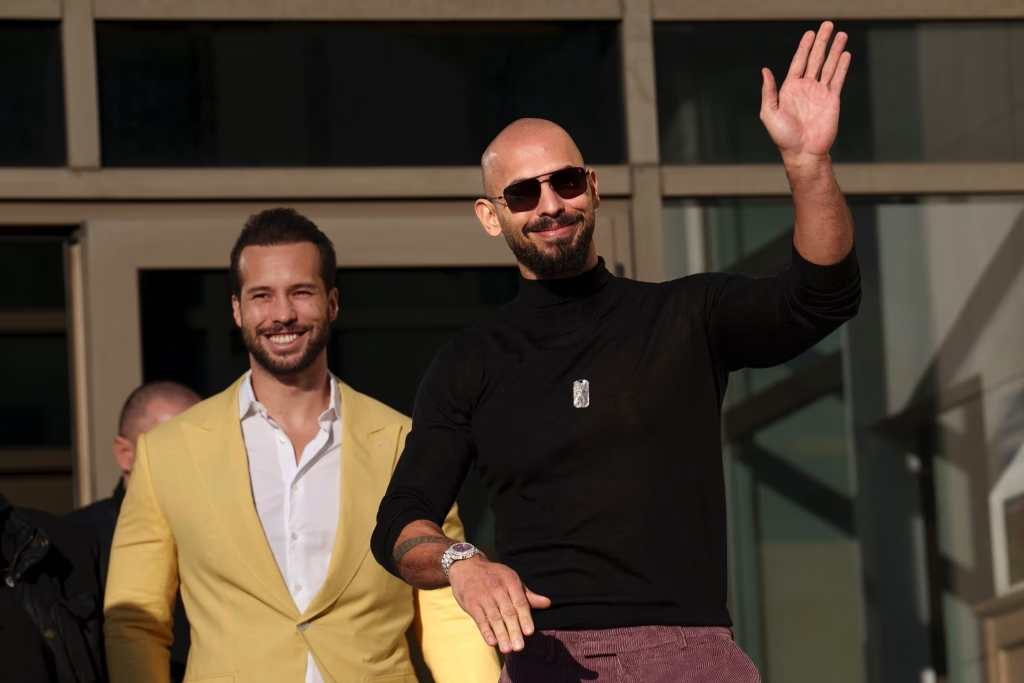
Andrew Tate’s rise has been inseparable from controversy. His views on gender roles, society, and success have led to bans from multiple platforms and intense public debate.
However, controversy itself became part of his marketing engine. Every ban, criticism, or news headline amplified his brand awareness and drove traffic to his owned platforms.
This highlights a new dynamic in digital capitalism: platform dependence versus audience ownership. When banned from mainstream platforms, Tate shifted traffic to private platforms and communities he controlled.
Decentralized Communities and the New Media Model
Traditional media relies on centralized platforms. Andrew Tate built decentralized communities that function independently of mainstream social media.
These communities operate on:
- Subscription platforms
- Private servers
- Affiliate-driven growth
- Community-generated content
This model reduces dependency on big tech platforms and creates resilient digital businesses.
Masculinity, Motivation, and Cultural Influence
Beyond business, Andrew Tate has influenced global cultural conversations around masculinity, discipline, wealth, and social dynamics. His messaging resonates with young men seeking guidance on success, fitness, and financial independence.
Critics argue that his messaging is divisive. Supporters view him as a counter-cultural voice challenging mainstream narratives.
Regardless of opinion, his cultural impact is undeniable. He has shaped discourse among millions of young people worldwide.
Comparing Tate to Traditional Entrepreneurs
Traditional entrepreneurs build companies through products, technology, or capital. Andrew Tate built an empire through:
- Personal branding
- Community monetization
- Viral marketing
- Digital education products
His model is closer to media empires than traditional corporations. In many ways, he operates as a one-person media conglomerate.
Financial Scale and Digital Wealth
While exact financial figures are difficult to verify, Tate has claimed significant wealth from his digital ventures, investments, and businesses. His lifestyle branding, luxury cars, private jets, and real estate holdings reinforce his image as a high-net-worth digital entrepreneur.
This wealth narrative is central to his brand positioning and marketing strategy.
The Role of Dubai in Global Digital Wealth
Dubai has become a symbol of digital wealth and entrepreneurial freedom. Entrepreneurs like Tate use Dubai as a base to showcase success, attract global clients, and build networks.
The city’s luxury infrastructure and global connectivity make it an ideal backdrop for digital wealth branding.
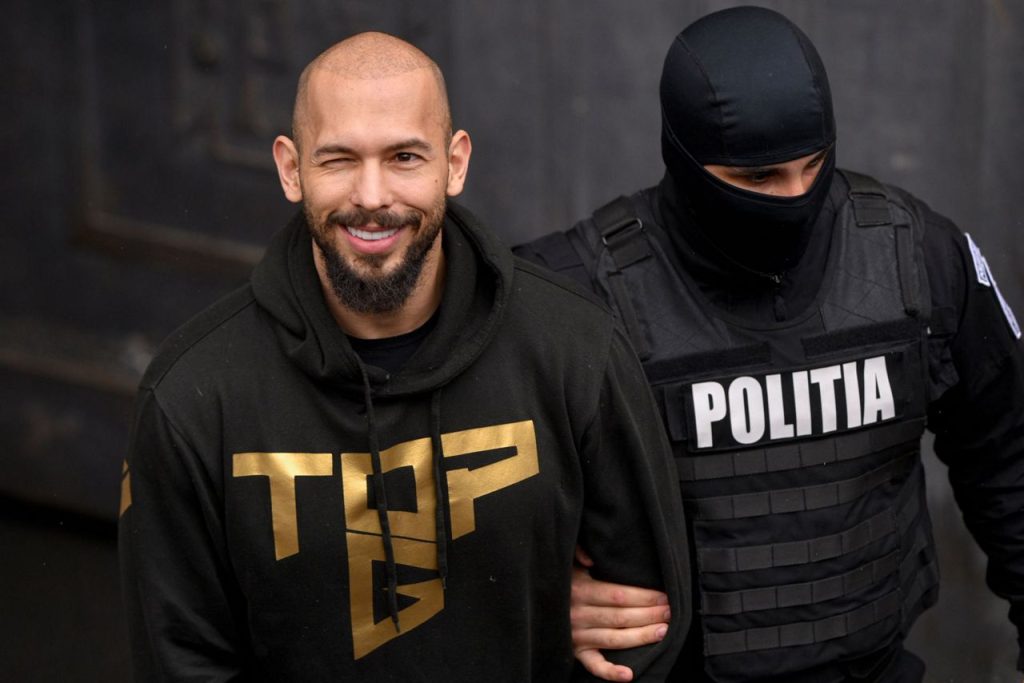
Criticism and Ethical Debates
Andrew Tate’s influence has sparked debates around:
- Online radicalization
- Youth influence
- Platform responsibility
- Free speech versus harmful content
These debates highlight the growing power of digital entrepreneurs and the challenges governments and platforms face in regulating decentralized influence.
Tate’s case is often cited in discussions about digital governance and the future of online communities.
Lessons from Andrew Tate’s Digital Empire
Andrew Tate’s journey offers several lessons for modern entrepreneurs:
- Attention is a scalable asset
- Controversy can drive distribution
- Community ownership is powerful
- Digital products scale globally with low marginal cost
- Relocation to business-friendly jurisdictions accelerates growth
These lessons apply not just to influencers but to consultants, educators, and digital founders worldwide.
The Future of Creator-Led Business Models
Andrew Tate represents the extreme end of creator-led entrepreneurship. As platforms decentralize and audiences seek direct relationships with creators, this model will become more common.
Creators will increasingly:
- Launch subscription platforms
- Build private communities
- Sell digital products
- Operate global businesses without traditional companies
Dubai’s infrastructure positions it as a central hub for this emerging economy.
Global Influence and Geopolitical Narratives
Tate’s messaging often touches on geopolitics, culture, and economics. This reflects a broader trend where creators influence political and cultural narratives beyond entertainment.
In the future, creators may rival traditional institutions in shaping public opinion and consumer behavior.
Dubai as a Capital of Digital Influence
By hosting entrepreneurs like Andrew Tate, Dubai strengthens its position as a capital of digital influence. The city is not just attracting hedge fund managers and real estate tycoons, but also digital empires built on attention and communities.
This diversification of influence strengthens Dubai’s global soft power.
Conclusion
Andrew Tate’s rise from kickboxing champion to global digital entrepreneur is a case study in modern influence economics. He leveraged controversy, community, and content to build a decentralized digital business empire.
His relocation to Dubai reflects the city’s role as a strategic base for digital entrepreneurs who operate beyond traditional corporate models. Dubai offers the infrastructure, regulatory environment, and global connectivity required for digital-first businesses.
Whether viewed as a visionary entrepreneur or a controversial influencer, Andrew Tate represents a new category of global business leader. One built not on factories or hedge funds, but on algorithms, communities, and attention.
As the digital economy evolves, figures like Andrew Tate will continue to challenge traditional definitions of entrepreneurship, influence, and power. Dubai, as a hub for this new economy, will remain at the center of this transformation.