Introduction
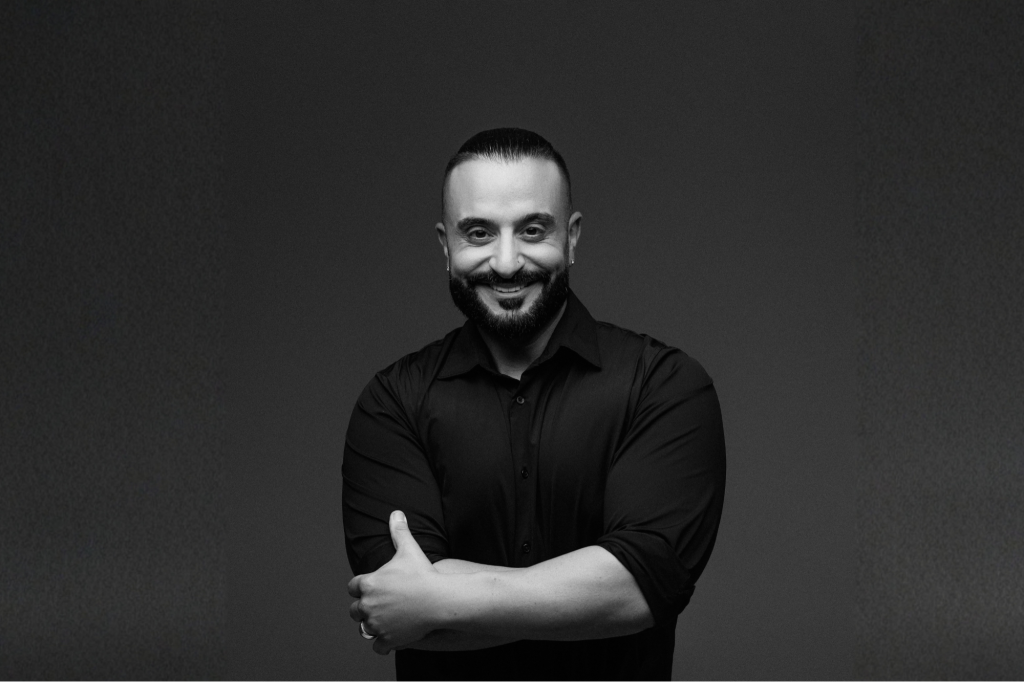
In the modern business world, influence is no longer built only in boardrooms, factories, or financial institutions. Today, influence is built on screens, through media, culture, and personal brands that command global attention. Few individuals represent this shift better than Kris Fade.
Known originally as a radio personality, Kris Fade has transformed himself into a multi-dimensional entrepreneur, media brand, and business builder. From hosting one of the most listened-to radio shows in the Middle East to launching successful consumer brands, Kris Fade’s journey reflects the rise of the creator economy in Dubai.
His story is not just about fame. It is about how personal brands are becoming powerful economic engines, how media personalities can evolve into founders, and how Dubai has become a global hub for creators turning influence into enterprise.
This is the story of Kris Fade, his rise in media, his business ventures, and what his success says about the future of entrepreneurship in the UAE.
Early Life and the Journey to the Middle East
Kris Fade was born in Sydney, Australia, to Lebanese parents. Growing up in a multicultural environment, he developed a passion for music, entertainment, and communication from an early age.
He started his career in radio in Australia, where he built his skills as a presenter and DJ. However, the Australian market was highly competitive and limited in scale compared to emerging media markets in the Middle East.
Dubai, at the time, was rapidly positioning itself as a regional media hub. With a growing expatriate population, global brands entering the market, and rising advertising budgets, Dubai offered opportunities that traditional Western markets could not.
Recognizing this, Kris Fade made a bold move to relocate to Dubai, a decision that would fundamentally reshape his career trajectory.
Rise to Fame in Dubai’s Media Scene
In Dubai, Kris Fade joined Virgin Radio Dubai, where he quickly became one of the region’s most recognizable voices. His morning show gained massive popularity, attracting listeners across the UAE and beyond.
Unlike traditional radio hosts, Kris Fade combined music, humor, celebrity interviews, and relatable storytelling. This helped him build a loyal fan base that extended beyond radio into social media platforms like Instagram, YouTube, and TikTok.
Dubai’s diverse audience allowed him to connect with people from multiple cultures, nationalities, and age groups. This multicultural reach became one of his greatest assets.
Over time, Kris Fade was no longer just a radio host. He became a regional media personality, influencer, and cultural figure.
Building a Personal Brand in the Creator Economy
Kris Fade understood early that media visibility could be converted into a personal brand. He invested heavily in building his presence across platforms, collaborating with global celebrities, brands, and creators.
His content extended beyond radio into:
- Social media entertainment
- Lifestyle content
- Family and personal storytelling
- Music and DJ performances
- Celebrity interviews
By consistently engaging his audience, he created a powerful personal brand that brands wanted to partner with.
In the creator economy, attention is currency. Kris Fade mastered the art of attention distribution and audience engagement.
Transition from Media Personality to Entrepreneur
Many media personalities struggle to transition into entrepreneurship. Kris Fade took a different approach. He leveraged his audience to launch consumer brands and business ventures.
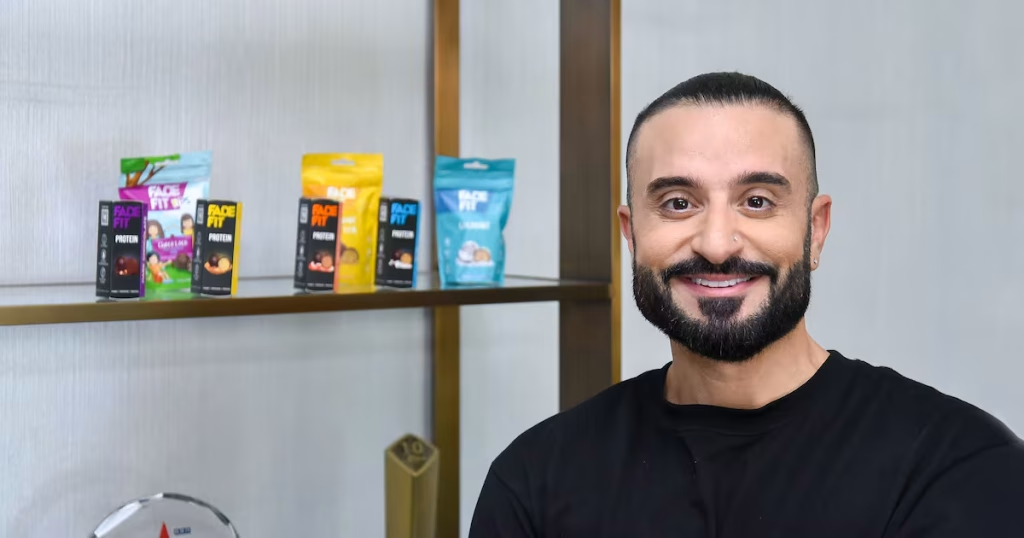
One of his most notable ventures is Fade Fit, a health and fitness-focused food and lifestyle brand. Fade Fit products are available across major retailers in the UAE and beyond, demonstrating how influencer-led brands can scale into mainstream retail.
This transition from influencer to founder reflects a broader global trend. Creators are no longer just endorsing products. They are building their own companies.
Fade Fit and the Rise of Creator Brands
Fade Fit is an example of how personal branding can be transformed into a scalable consumer business. The brand focuses on healthy snacks and lifestyle products, targeting health-conscious consumers in the Middle East.
Unlike traditional corporate brands, Fade Fit benefits from Kris Fade’s authenticity and direct connection with consumers. His audience trusts him, and that trust translates into purchasing behavior.
This direct-to-consumer model is becoming increasingly powerful. Dubai, with its young population and strong retail infrastructure, provides an ideal testing ground for creator brands.
Dubai as a Global Creator and Media Hub
Kris Fade’s success is closely tied to Dubai’s rise as a global media and creator hub. The city attracts influencers, content creators, media companies, and advertising agencies from around the world.
Dubai offers:
- High advertising spend per capita
- Global brand headquarters
- Tax advantages for creators
- Strong social media consumption
- Diverse and affluent audiences
For creators like Kris Fade, Dubai is not just a lifestyle destination. It is a business platform.
Celebrity Culture and Business in the Middle East
The Middle East has a strong celebrity-driven consumer culture. Media personalities often influence purchasing decisions more than traditional advertising.
Kris Fade leveraged this environment by positioning himself as both a relatable personality and a premium lifestyle figure. His collaborations with global celebrities and brands reinforced his status as a trusted tastemaker.
This positioning allowed him to command premium partnerships and build brand equity beyond radio.
Diversification into Entertainment and Events
Beyond radio and consumer products, Kris Fade has been involved in:
- DJ performances and live events
- Music collaborations
- Television appearances
- Brand ambassador roles
These activities diversify revenue streams and strengthen his personal brand. In the modern economy, creators operate as multi-channel businesses.
Each platform reinforces the other. Radio drives social media growth. Social media drives product sales. Events drive brand visibility.
Family, Lifestyle, and Authentic Branding
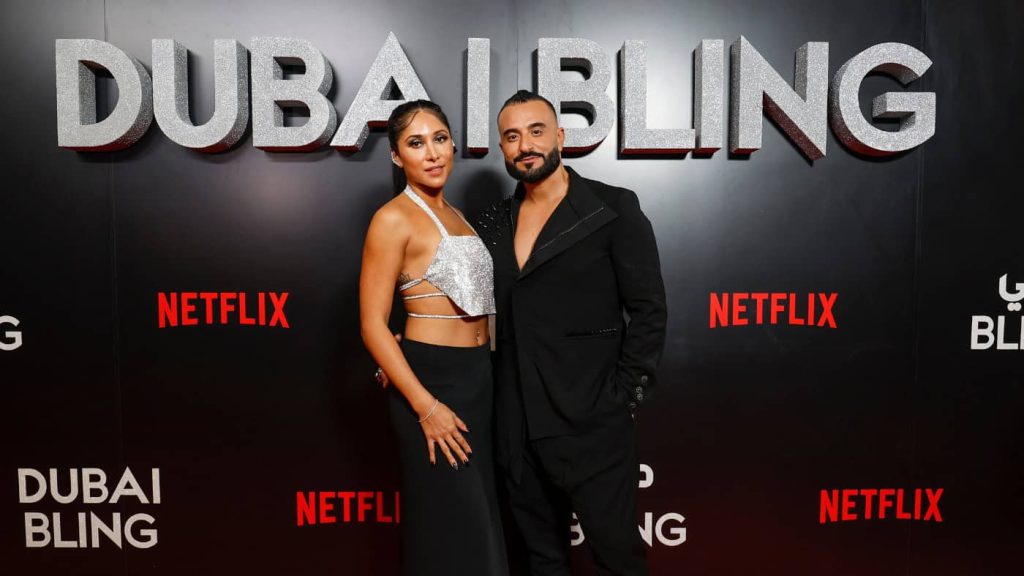
One of the key elements of Kris Fade’s brand is authenticity. He shares his personal life, family moments, and lifestyle experiences with his audience.
This transparency humanizes him and strengthens audience trust. In the creator economy, authenticity is often more valuable than polished corporate messaging.
By integrating family and lifestyle content with business ventures, he creates a holistic brand narrative that resonates with audiences.
The Economics of Influence
Kris Fade’s career illustrates how influence translates into economic power. Media personalities today operate as:
- Brand founders
- Media companies
- Advertising platforms
- Community leaders
Revenue streams include:
- Advertising and sponsorships
- Product sales
- Licensing and endorsements
- Events and appearances
- Media contracts
Dubai’s ecosystem enables creators to monetize across all these channels.
Challenges of Building a Creator-Led Business
While creator entrepreneurship offers massive upside, it also comes with challenges:
- Brand dependency on personal reputation
- Market saturation in influencer products
- Operational complexity of consumer goods
- Maintaining authenticity while scaling
Kris Fade’s ability to navigate these challenges demonstrates strategic thinking and strong partnerships.
Comparing Traditional Entrepreneurs and Creator Founders
Traditional entrepreneurs build companies around products, technology, or infrastructure. Creator entrepreneurs build companies around personal brands and audiences.
Kris Fade represents this new category of entrepreneur. His core asset is attention and trust. Products and ventures are built around that asset.
This model is reshaping industries from fashion and fitness to education and finance.
Dubai’s Role in the Global Creator Economy
Dubai has positioned itself as a magnet for creators. Influencers, YouTubers, podcasters, and digital entrepreneurs relocate to Dubai for:
- Tax efficiency
- High-quality production infrastructure
- Global connectivity
- Brand partnerships
- Safe and premium lifestyle
Kris Fade is one of the earliest and most successful examples of this migration.

Impact on Youth and Aspirational Culture
Kris Fade’s journey from immigrant background to media mogul resonates strongly with young audiences in the Middle East and beyond.
He represents:
- Social mobility through media
- Entrepreneurship through personal branding
- Global success through relocation
- Cultural integration in a global city
His story inspires aspiring creators and entrepreneurs to see media as a legitimate business pathway.
The Future of Media Entrepreneurs in the UAE
The UAE is investing heavily in the creative economy, including media, entertainment, gaming, and content production. Creator entrepreneurs like Kris Fade are aligned with national strategies focused on:
- Digital economy growth
- Cultural exports
- Youth employment
- Global soft power
As these sectors grow, media entrepreneurs will become increasingly influential economic actors.
Global Positioning and International Reach
While Kris Fade is deeply rooted in Dubai, his influence extends globally. His content reaches audiences across the Middle East, Europe, Australia, and Asia.
Dubai acts as a global broadcasting hub, allowing creators to reach international audiences while operating from a single base.
This global reach differentiates Dubai-based creators from regional media figures in other markets.
Lessons from Kris Fade’s Journey
Kris Fade’s career offers several lessons for modern entrepreneurs:
- Personal branding can be a scalable business asset
- Media platforms can be leveraged into product companies
- Relocation to growth markets can accelerate success
- Authenticity drives long-term audience loyalty
- Diversified revenue streams reduce risk
These lessons apply not only to creators but to consultants, coaches, and digital entrepreneurs worldwide.
The Broader Shift in Business Influence
Kris Fade’s rise reflects a broader shift in how influence is built in the 21st century. Traditional power centers included banks, corporations, and governments. Today, creators and media personalities command attention that rivals institutions.
This attention translates into economic and cultural power. Dubai, with its global media infrastructure and business-friendly environment, has become a key node in this new power structure.

Conclusion
Kris Fade’s journey from a radio host in Australia to a multi-platform entrepreneur in Dubai is a story of timing, strategy, and adaptation. He recognized the potential of Dubai’s media ecosystem early and built a personal brand that transcended traditional broadcasting.
By converting influence into products, partnerships, and businesses, he exemplifies the creator-led entrepreneurship model that is reshaping global commerce.
As Dubai continues to attract creators, influencers, and digital entrepreneurs, figures like Kris Fade will be seen not just as entertainers, but as business leaders shaping the modern economy.
In a world where attention is capital and personal brands are enterprises, Kris Fade stands as one of Dubai’s most successful examples of turning media into a global business platform.