Introduction
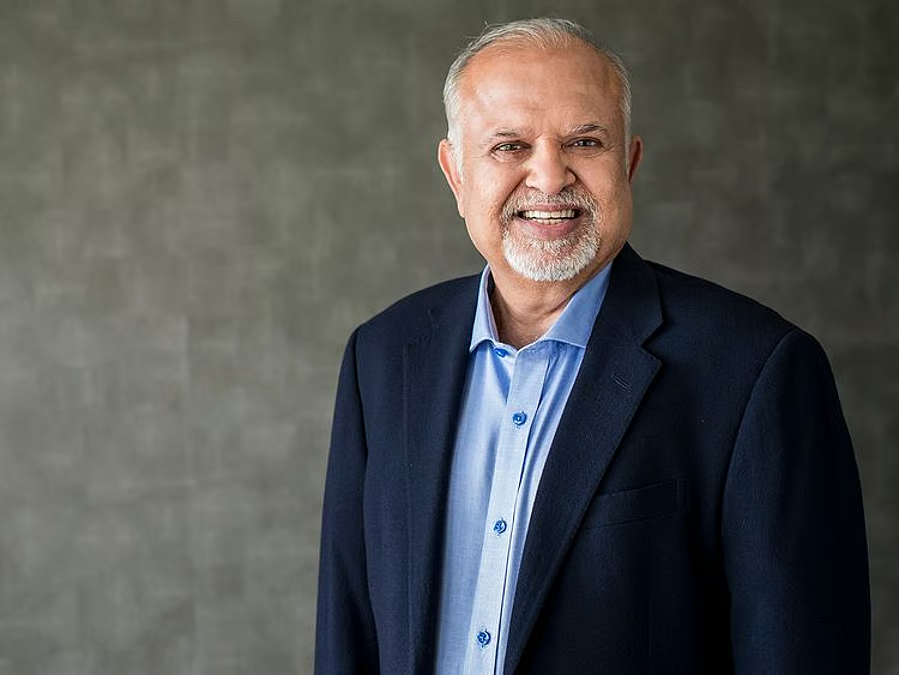
In the global retail industry, few entrepreneurs have built businesses with the scale, longevity, and cultural impact of Micky Jagtiani. Founder of the Landmark Group, Jagtiani transformed a single store into one of the largest privately owned retail and hospitality conglomerates in the Middle East, with operations spanning fashion, electronics, home, hospitality, and consumer goods across more than 20 countries.
While many global retail giants were born in Western capitals, Jagtiani built his empire from Dubai at a time when the city itself was still defining its identity. His journey mirrors the rise of Dubai as a global commercial hub and reflects the opportunities the UAE created for ambitious entrepreneurs willing to think long term.
Micky Jagtiani was not a traditional retail executive. He did not come from a corporate background or inherit a business empire. His success was driven by instinct, resilience, and a deep understanding of consumers across emerging markets. From humble beginnings to billionaire status, his story offers valuable insights into entrepreneurship, leadership, and the power of building businesses in the right environment.
This is the story of how Micky Jagtiani built Landmark Group from Dubai and why his legacy continues to shape the region’s retail landscape.
Early Life and an Unconventional Path
Micky Jagtiani was born in India and spent part of his early life in Mumbai. Unlike many future billionaires, his early years were marked by uncertainty rather than privilege. He moved to London in his youth, where he pursued studies in accounting but never completed his degree.
Life in London was difficult. Jagtiani took on various jobs to survive, including working in restaurants and retail. At one point, he even lived out of his car. These experiences would later shape his leadership philosophy and his deep respect for frontline employees.
What set Jagtiani apart was his observational skill. He paid close attention to consumer behavior, pricing psychology, and the emotional connection people had with brands. Even in difficult circumstances, he was quietly learning how markets worked.
In the late 1970s, he made a decision that would change his life. He moved to the Middle East.
Discovering Opportunity in the UAE
When Micky Jagtiani arrived in Bahrain and later Dubai, the region was very different from what it is today. The Middle East was undergoing economic transformation, driven by oil wealth, population growth, and rising consumer demand. However, organized retail was still in its infancy.
Jagtiani saw what others missed. He noticed that consumers wanted affordable, well-designed products but had limited access to international brands. Retail options were fragmented, inconsistent, and often overpriced.
In 1973, he opened a small store in Bahrain selling baby products. This modest beginning laid the foundation for what would later become Landmark Group.
His approach was simple but powerful. Offer value. Maintain consistency. Understand local consumers. Scale thoughtfully.
Dubai soon became the natural base for expansion. The city offered political stability, pro-business regulations, access to logistics infrastructure, and a rapidly growing population of expatriates and locals alike. For Jagtiani, Dubai was not just a market. It was a platform.
The Birth and Expansion of Landmark Group
Landmark Group officially took shape in the 1990s as Jagtiani expanded across the GCC. The company focused on building in-house brands rather than relying heavily on international franchises. This allowed greater control over pricing, supply chains, and customer experience.
Brands such as Centrepoint, Max, Splash, Home Centre, Babyshop, and Lifestyle became household names across the Middle East, India, and beyond.
What made Landmark different was its ability to serve mass markets without compromising on scale. Jagtiani understood that long-term success in emerging markets required affordability, not exclusivity.
By reinvesting profits and expanding steadily, Landmark Group grew into a retail powerhouse with thousands of stores, tens of thousands of employees, and billions of dollars in annual revenue.
Dubai remained the group’s headquarters, anchoring operations across Asia, Africa, and the Middle East.
Leadership Philosophy and Business Culture
Micky Jagtiani was known for his hands-on leadership style. He stayed closely involved in operations, merchandising, and strategy even as the business scaled. Despite his wealth, he maintained a low public profile and avoided unnecessary attention.
His leadership philosophy was shaped by personal hardship. He valued loyalty, resilience, and humility. Many senior leaders at Landmark spent decades within the organization, reflecting a culture of long-term commitment rather than short-term performance.
Jagtiani believed that retail was not about glamour but execution. Supply chains, inventory management, pricing discipline, and customer trust mattered more than branding hype.
This operational focus allowed Landmark to survive multiple economic cycles, including global recessions, regional disruptions, and shifts in consumer behavior.
Dubai as a Strategic Base
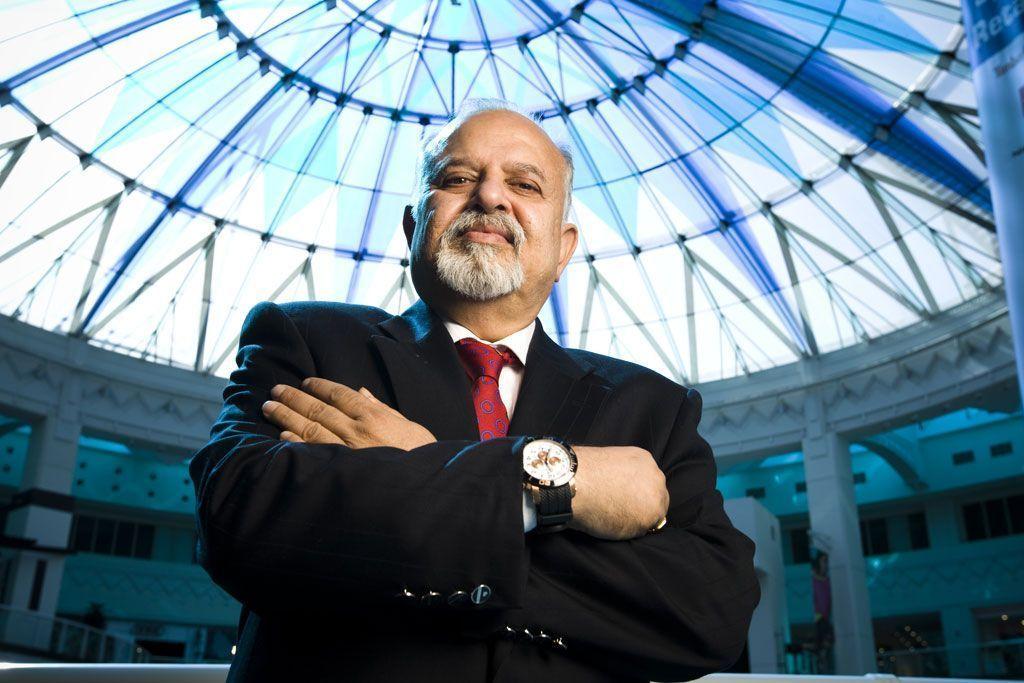
Dubai played a critical role in Landmark Group’s success. The city’s logistics infrastructure enabled efficient distribution across continents. Its multicultural workforce allowed Landmark to operate across diverse markets. Its regulatory environment supported private enterprise and long-term planning.
Unlike public companies pressured by quarterly results, Landmark remained privately owned. This allowed Jagtiani to make patient decisions, invest through downturns, and prioritize sustainability over short-term profits.
Dubai’s rise as a global city reinforced Landmark’s ability to attract talent, negotiate with global suppliers, and expand into new regions.
In many ways, Landmark Group and Dubai grew together.
Beyond Retail: Diversification and Scale
Under Jagtiani’s leadership, Landmark Group expanded beyond retail into hospitality, entertainment, and leisure. The group invested in restaurants, hotels, and family entertainment concepts, further diversifying its revenue base.
The company also expanded aggressively into India, Southeast Asia, and Africa, applying the same value-driven retail model to new markets.
Despite its scale, Landmark remained largely private and operationally focused. Jagtiani preferred building quietly rather than chasing headlines.
Personal Life and Legacy
Micky Jagtiani was intensely private. He avoided media appearances and rarely spoke publicly about his wealth or success. Those who worked closely with him describe him as disciplined, decisive, and deeply analytical.
He passed away in 2023, leaving behind a business empire that continues to employ tens of thousands of people worldwide.
His legacy is not just financial. He demonstrated that global businesses could be built from the Middle East, not merely operated there. He showed that emerging markets could support world-class enterprises when approached with patience and insight.
The Broader Message
Micky Jagtiani’s story is inseparable from the story of Dubai. It highlights how the UAE became a magnet for entrepreneurial talent long before it was fashionable to do so.
His journey underscores an important truth. Billion-dollar businesses are not always built through technology or finance. Some are built by understanding people, managing operations well, and serving everyday needs at scale.
In a world obsessed with disruption, Jagtiani mastered execution.
Conclusion
From near poverty in London to building one of the largest retail groups in the Middle East, Micky Jagtiani’s life is a powerful example of resilience, vision, and timing.
Dubai provided the environment. Jagtiani provided the discipline.
Together, they produced a business legacy that continues to influence retail across continents.
As Dubai cements its role as a global business hub, stories like Jagtiani’s remind the world that the city’s greatest export may not be oil, finance, or real estate, but opportunity itself.