Introduction
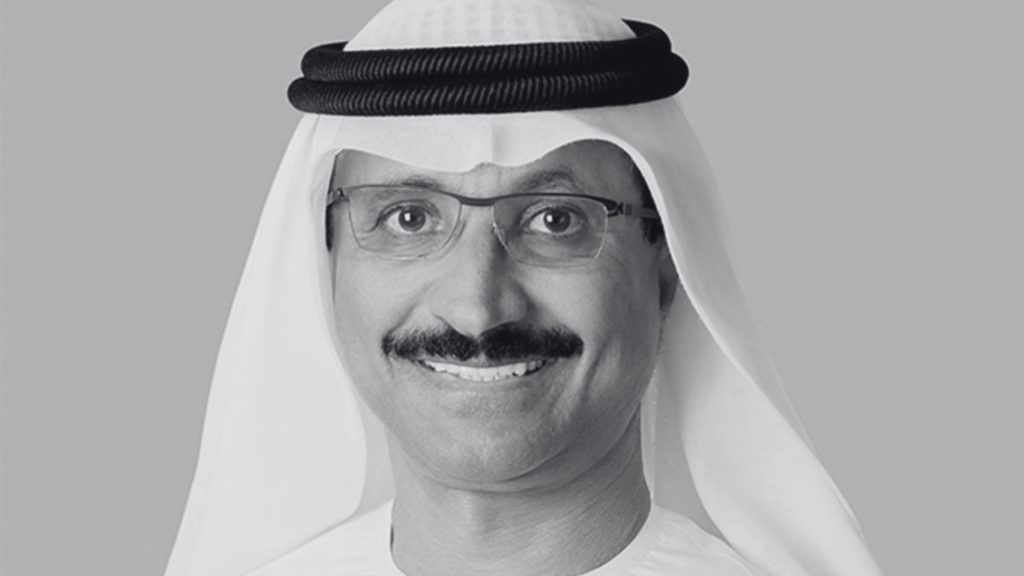
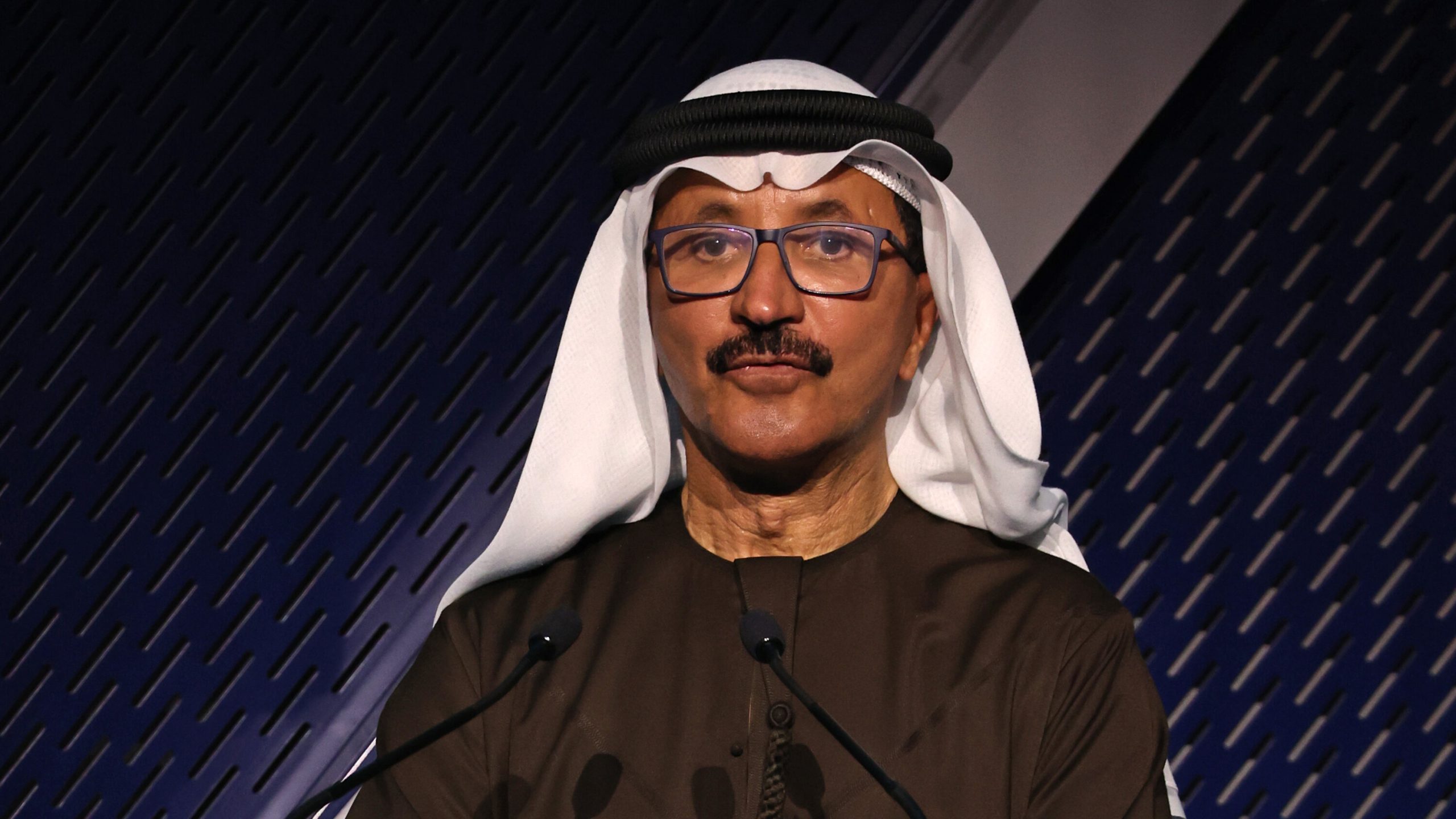
In the story of Dubai’s meteoric rise from a regional trading port to a global economic powerhouse, one name stands out in the world of logistics, ports, and global trade: Sultan Ahmed bin Sulayem.
As the Chairman and Group CEO of DP World, Sultan Ahmed bin Sulayem has played a defining role in positioning Dubai at the center of international commerce. While skyscrapers and luxury developments often capture headlines, it is ports, supply chains, and logistics corridors that truly power economies. And few leaders understand this better than he does.
Under his leadership, DP World grew from a regional port operator into one of the largest logistics companies in the world, managing dozens of terminals across six continents. His vision did not just build a company. It built the infrastructure backbone of modern Dubai.
This is the story of the man who helped turn trade into Dubai’s most strategic asset.
Early Life and Foundations
Sultan Ahmed bin Sulayem was born in Dubai in 1955, during a period when the emirate was still heavily reliant on traditional trade, fishing, and pearling. Long before the city became a global aviation and tourism hub, Dubai’s strength lay in its port and trading activity.
He pursued higher education in the United States, earning a degree in economics and political science from the University of Denver. This international exposure shaped his understanding of global markets and economic systems.
Returning to Dubai in the late 1970s, he entered public service during a transformative era. The UAE was newly formed, oil revenues were beginning to reshape infrastructure, and Dubai’s leadership was aggressively diversifying its economy beyond hydrocarbons.
Sultan Ahmed bin Sulayem would become one of the architects of that diversification.
The Rise of Jebel Ali and Early Leadership
One of Dubai’s most ambitious projects in the 1970s was the construction of Jebel Ali Port. At the time, it seemed overly ambitious. Critics questioned why Dubai would build one of the largest man made ports in the world when trade volumes were still modest.
But Dubai’s leadership was thinking decades ahead.
Sultan Ahmed bin Sulayem became closely involved in the development and management of the port and the surrounding free zone, later known as Jebel Ali Free Zone. JAFZA would go on to become one of the most successful free zones globally, hosting thousands of multinational corporations.
His early work demonstrated a key principle that defines his leadership style: infrastructure first, growth follows.
By building world class trade infrastructure before demand peaked, Dubai positioned itself to capture global supply chains as they expanded.
The Birth of DP World
In 2005, a historic consolidation took place. Dubai Ports Authority and Dubai Ports International merged to form DP World.
Sultan Ahmed bin Sulayem was appointed Chairman.
What followed was one of the most aggressive global expansion strategies in port industry history.
DP World acquired the British port operator P&O in 2006, instantly expanding its footprint into Europe, Asia, and the Americas. This acquisition placed Dubai at the heart of global maritime trade networks.
Within a few years, DP World was operating terminals in more than 40 countries. It was no longer a regional operator. It was a global logistics giant.
Navigating Controversy and Global Scrutiny
The P&O acquisition brought DP World into the spotlight in the United States. Political debate erupted over the management of certain US ports by a company owned by Dubai.
Sultan Ahmed bin Sulayem faced intense scrutiny, but he handled the situation with strategic diplomacy. Ultimately, DP World divested its US port operations while maintaining its broader global expansion.
The episode revealed two things about his leadership:
He was willing to take bold risks.
He was pragmatic when political realities required adjustment.
Rather than retreat, DP World continued expanding across Asia, Africa, and Latin America, strengthening its position in emerging markets.
Transforming DP World into a Logistics Powerhouse
For decades, ports were seen simply as cargo handling facilities. Sultan Ahmed bin Sulayem saw something bigger.
He recognized that the future of trade would depend on integrated logistics solutions, not just terminals.
Under his direction, DP World evolved into a full supply chain operator, investing in:
- Inland logistics hubs
- Free trade zones
- Smart container tracking systems
- Digital freight platforms
- Maritime services
- Industrial parks
This transformation positioned DP World not just as a port operator, but as a global trade enabler.
In 2026, DP World manages over 80 marine and inland terminals worldwide and handles millions of containers annually. Its operations stretch from London to Mumbai, from Vancouver to Dakar.
Dubai’s economic influence expanded with every port contract signed.
Supporting Dubai’s Economic Vision
Sultan Ahmed bin Sulayem’s role extends beyond DP World. He has been deeply involved in shaping Dubai’s long term economic strategy.
He also played a significant role in leading Nakheel, the developer behind landmark projects such as the Palm Jumeirah. During the global financial crisis of 2008, Nakheel faced major challenges, and his leadership during restructuring efforts helped stabilize key assets.
His involvement across logistics, real estate, and free zones reflects a broader strategic role in Dubai’s development.
Dubai’s success story is not built on one sector. It is built on integration. Ports connect to free zones. Free zones connect to real estate. Real estate connects to talent attraction. Sultan Ahmed bin Sulayem’s influence sits at the intersection of these pillars.
Leadership Style and Philosophy
Unlike celebrity entrepreneurs who dominate social media, Sultan Ahmed bin Sulayem maintains a relatively low public profile. His leadership is rooted in long term thinking rather than short term visibility.
Key characteristics define his approach:
Strategic patience. He invests in infrastructure that may take years to mature.
Global mindset. He views Dubai not as a city, but as a node in global trade.
Operational discipline. Ports and logistics require precision and reliability.
Resilience. He has navigated financial crises, geopolitical tensions, and global trade disruptions.
In interviews, he often emphasizes the importance of adaptability in a changing trade environment, particularly as global supply chains face digital transformation and sustainability pressures.
Embracing Technology and Sustainability
Trade in 2026 is no longer just about physical movement of goods. It is about data, automation, and environmental responsibility.
Under Sultan Ahmed bin Sulayem’s leadership, DP World has invested heavily in:
- Blockchain based trade documentation
- Smart port automation
- AI driven logistics forecasting
- Electrification of port equipment
- Carbon reduction initiatives
Dubai’s ambition to become a leader in sustainable logistics aligns closely with these initiatives.
He understands that future competitiveness will depend not only on scale, but on efficiency and environmental performance.
Global Influence and Recognition
Sultan Ahmed bin Sulayem is widely recognized as one of the most influential business leaders in the Middle East.
His leadership has contributed to:
- Strengthening Dubai’s position as a global trade hub
- Expanding UAE economic diplomacy
- Supporting emerging markets through port investments
- Creating thousands of jobs globally
International forums frequently invite him to speak on supply chains, maritime trade, and economic resilience.
In an era where global trade faces disruptions from pandemics, geopolitical shifts, and technological transformation, his experience carries significant weight.
The Strategic Importance of DP World to Dubai
Dubai does not rely heavily on oil revenues. Instead, it relies on trade, tourism, aviation, finance, and logistics.
DP World is central to that strategy.
Jebel Ali Port remains one of the busiest ports in the region. It connects directly with JAFZA, which hosts over 9,000 companies from around the world.
This ecosystem creates:
- Export and import efficiency
- Foreign direct investment
- Job creation
- Supply chain resilience
Sultan Ahmed bin Sulayem’s long term focus on strengthening this ecosystem has made Dubai indispensable in global trade routes.
Challenges Ahead
Despite its success, the global trade landscape is evolving rapidly.
Key challenges include:
- Shifts toward regional supply chains
- Increasing protectionism in certain markets
- Climate change pressures on shipping
- Digital disruption of traditional freight models
Sultan Ahmed bin Sulayem’s next chapter will likely focus on ensuring DP World adapts to these structural shifts while maintaining its global footprint.
Dubai’s ambition to remain a top global business hub depends partly on how effectively its trade infrastructure evolves.

Life Beyond the Boardroom
Unlike many global CEOs, Sultan Ahmed bin Sulayem balances corporate leadership with public service responsibilities. He is known for supporting educational initiatives and youth development programs in the UAE.
His influence is often described as institutional rather than personal. He strengthens systems that outlast individual leadership cycles.
In Dubai’s business circles, he is regarded as one of the quiet architects of the city’s economic durability.
Conclusion
Sultan Ahmed bin Sulayem’s journey mirrors Dubai’s transformation.
From a modest trading port to a global logistics empire, from regional influence to worldwide operations, his leadership at DP World reflects the ambition and discipline that define Dubai.
While flashy startups and billion dollar valuations dominate headlines, it is trade infrastructure that quietly powers economies. By strengthening that foundation, Sultan Ahmed bin Sulayem ensured that Dubai would not simply participate in global commerce. It would help shape it.
As supply chains evolve and the world becomes more interconnected yet more complex, his role remains central to Dubai’s continued relevance.
He did not build a tech app. He did not launch a luxury brand. He built pathways for global trade. And in doing so, he helped secure Dubai’s place at the heart of the world economy.